
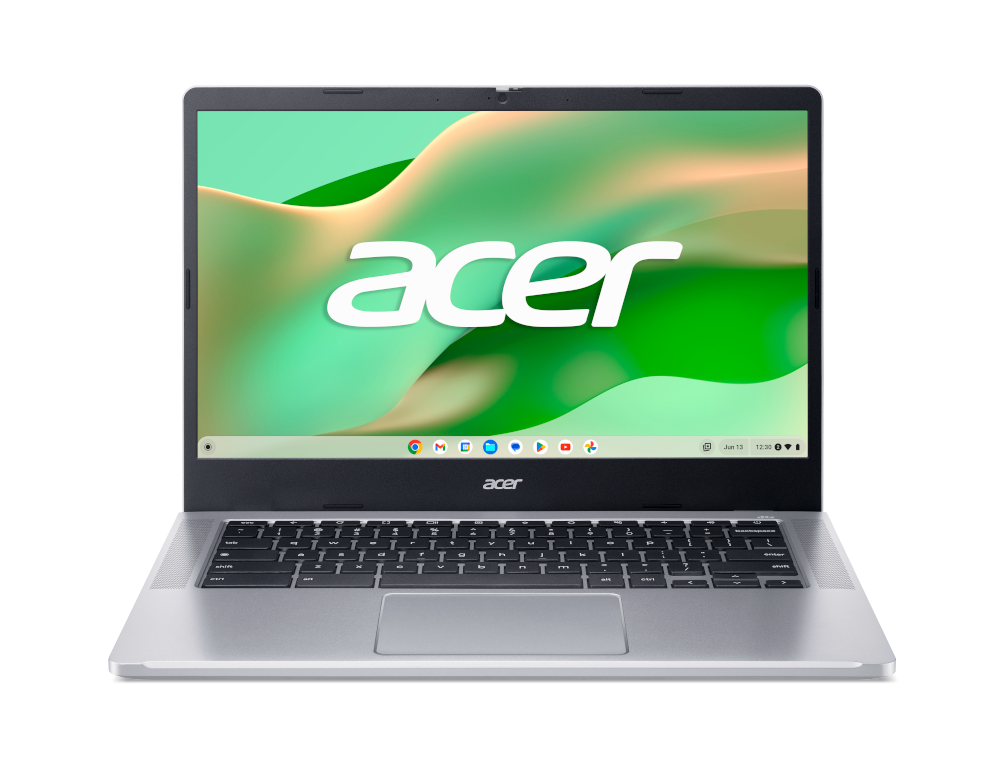
Exploring the Benefits of Chromebooks
Chromebooks have become increasingly popular in recent years as a versatile and affordable option for users looking for a lightweight and efficient computing device. These laptops run on Google’s Chrome OS, offering a range of benefits that make them stand out from traditional laptops.
Speed and Performance
Chromebooks are known for their fast boot-up times and smooth performance. With minimal software installed locally, these devices rely on cloud-based applications to provide users with a seamless experience.
Affordability
Compared to traditional laptops, Chromebooks are often more budget-friendly, making them an attractive option for students, casual users, and those looking for a secondary device. Despite their lower price point, Chromebooks offer solid performance for everyday tasks.
Security
Chromebooks come equipped with built-in security features that help protect users from malware and viruses. With automatic updates and sandboxing of applications, Chrome OS ensures a secure computing environment.
Cloud Integration
One of the key advantages of Chromebooks is their seamless integration with Google’s suite of cloud-based applications, such as Google Docs, Sheets, and Drive. Users can easily access their files from any device with an internet connection.
Portability
Chromebooks are designed to be lightweight and portable, making them ideal for users on the go. Whether you’re working in a coffee shop or taking notes in class, Chromebooks offer the flexibility to stay connected wherever you are.
In conclusion, Chromebooks offer a range of benefits that cater to users looking for an affordable, secure, and efficient computing experience. With their speed, affordability, security features, cloud integration, and portability, Chromebooks continue to be a popular choice for individuals seeking a reliable laptop solution.
Top 7 Frequently Asked Questions About Chromebooks: Pros, Cons, and Comparisons
- What are disadvantages of Chromebook?
- What is the best brand of Chromebook?
- What is the difference between a laptop and a Chromebook?
- Which is better for students, Chromebook or laptop?
- Is buying a Chromebook worth it?
- What are Chromebooks good for?
- What are the downsides of having a Chromebook?
What are disadvantages of Chromebook?
When considering the disadvantages of Chromebooks, one common concern is their reliance on an internet connection for many tasks. Without a stable internet connection, users may face limitations in accessing certain applications or working on files stored in the cloud. Additionally, the compatibility of Chrome OS with some software and hardware devices can be a drawback for users who require specific programs or peripherals that are not supported. Another potential disadvantage is the limited storage capacity of most Chromebooks, as they typically rely on cloud storage rather than local storage. Despite these drawbacks, Chromebooks remain a popular choice for their affordability, speed, and security features.
What is the best brand of Chromebook?
When it comes to choosing the best brand of Chromebook, there are several reputable manufacturers to consider. Brands such as Acer, ASUS, HP, Lenovo, and Google’s own Pixelbook have gained recognition for producing high-quality Chromebooks with varying features and price points. Ultimately, the best brand of Chromebook for you will depend on your specific needs and preferences, whether it’s performance, design, battery life, or budget. Conducting thorough research and reading reviews can help you determine which brand aligns best with your requirements for a reliable and efficient Chromebook experience.
What is the difference between a laptop and a Chromebook?
When comparing a laptop to a Chromebook, one of the key differences lies in the operating system they run on. While traditional laptops typically use operating systems like Windows or macOS, Chromebooks run on Google’s Chrome OS. This distinction affects the software and applications that can be used on each device. Laptops often come with more robust features and software options for tasks like video editing or graphic design, while Chromebooks excel in web-based applications and cloud computing. Additionally, Chromebooks are known for their speed, security features, and affordability compared to many laptops on the market.
Which is better for students, Chromebook or laptop?
When considering the best option for students, whether a Chromebook or a traditional laptop, it ultimately depends on the individual needs and preferences of the student. Chromebooks are often favoured for their affordability, portability, and seamless integration with cloud-based applications like Google Docs. They are ideal for students who primarily need a device for web browsing, word processing, and online research. On the other hand, laptops offer more versatility in terms of software compatibility and offline functionality, making them suitable for students who require specific software applications or prefer a more traditional computing experience. Ultimately, students should consider their usage requirements and budget to determine whether a Chromebook or laptop would better suit their academic needs.
Is buying a Chromebook worth it?
When considering whether to purchase a Chromebook, it ultimately depends on your specific needs and preferences. Chromebooks are worth it for users seeking a budget-friendly, lightweight, and secure computing experience. With fast performance, seamless integration with cloud-based applications, and built-in security features, Chromebooks are ideal for everyday tasks such as web browsing, word processing, and email. However, if you require specialized software or extensive offline capabilities, a traditional laptop may be more suitable. Overall, the decision to buy a Chromebook is worth it for those looking for an affordable and efficient device tailored to basic computing needs.
What are Chromebooks good for?
Chromebooks are well-suited for users who prioritize speed, simplicity, and affordability in their computing experience. These devices excel at tasks such as web browsing, email management, document editing, and online streaming. With their fast boot-up times and seamless integration with cloud-based applications like Google Docs and Sheets, Chromebooks are ideal for productivity on the go. Additionally, their built-in security features provide peace of mind for users concerned about malware and viruses. Overall, Chromebooks offer a lightweight, efficient solution for everyday computing needs at a budget-friendly price point.
What are the downsides of having a Chromebook?
When considering the downsides of owning a Chromebook, it’s important to note that these devices have limitations compared to traditional laptops. One common drawback is the reliance on an internet connection for many tasks, as Chromebooks primarily operate using cloud-based applications. This means that offline functionality may be limited for certain applications. Additionally, the compatibility of some software and peripherals with Chrome OS may be restricted, which could pose challenges for users who require specific programs or hardware. Despite these limitations, many users find that the affordability, speed, security features, and portability of Chromebooks outweigh these downsides for their everyday computing needs.