
Volvo Used Cars: What to Know Before You Buy
Volvo has built its reputation on safety, comfort and practical design. A used Volvo can offer a refined, well-equipped drive for less than the price of a new car, with a range that includes family estates, saloons and SUVs. The right choice depends on your budget, mileage and how you plan to use the car.
Why choose a used Volvo?
Many Volvo models are designed for long-distance comfort and everyday usability. The seats are often a highlight, while cabins tend to prioritise clear layouts and quality materials. Depending on the model and specification, you may also find features such as driver-assistance systems, heated seats, built-in navigation and a generous boot.
Volvo’s safety reputation is another key attraction. However, equipment varies by model year and trim, so check the specific car’s specification rather than assuming every example has the same features. Safety technology should be tested during a viewing and explained by the seller.
Popular used Volvo models
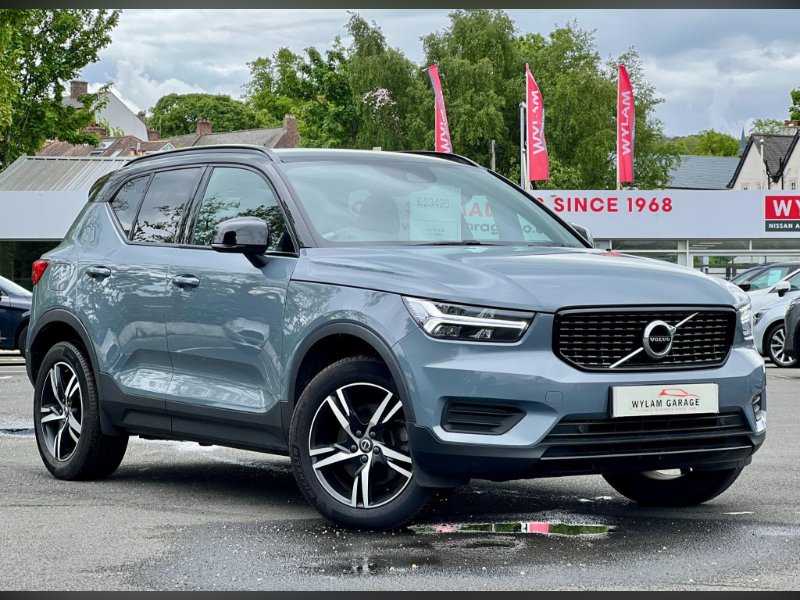
- Volvo XC40: A compact SUV suited to town driving and smaller families. It is available with different petrol, mild-hybrid, plug-in hybrid and fully electric powertrains, depending on the year.
- Volvo XC60: A mid-sized SUV offering a balance of passenger space, comfort and practicality. It is a popular choice for families and regular motorway journeys.
- Volvo XC90: A larger SUV, with some versions offering seven seats. Check that the third row and boot space meet your needs, particularly when all seats are in use.
- Volvo V60 and V90: Estate cars that combine a comfortable cabin with useful load space. They can be worth considering if you want an alternative to an SUV.
- Volvo S60 and S90: Saloon models focused on comfort and refinement. Boot access and rear-seat space differ between models, so view one in person if these are priorities.
Model names, engine choices and equipment change over time. When comparing cars, check the registration year, trim, engine and exact specification—not just the model badge.
Choosing the right powertrain
Used Volvos are available with petrol, diesel, mild-hybrid, plug-in hybrid and electric powertrains, depending on the model and age. Consider your usual journeys before deciding.
- Petrol: May suit a mix of short and longer trips. Check fuel economy for the particular engine and model.
- Diesel: Can be appropriate for frequent longer journeys, but may be less suitable for mainly short, low-speed trips. Review the car’s emissions status and likely maintenance needs.
- Mild hybrid: Uses a small electric system to assist the engine; it is not generally driven on electric power alone.
- Plug-in hybrid: Can cover some journeys using electric power when charged. Check the battery’s condition, charging equipment and whether you can charge conveniently at home or work.
- Fully electric: Consider the car’s real-world range, charging speed and access to suitable charging points. Range can vary with weather, speed, load and driving style.
If you drive into a Clean Air Zone or London’s Ultra Low Emission Zone, check the car’s compliance using its registration number before buying. Rules and charges can change, and the vehicle’s age alone does not confirm its status.
What to check when viewing a used Volvo
A thorough check can help you avoid costly surprises. Ask for the service history and compare it with the manufacturer’s maintenance schedule for that specific car. Look for evidence of regular servicing, invoices for repairs and any outstanding work.
- Check the MOT history online for advisories, failures and recurring issues.
- Confirm the mileage against service records and previous MOT readings.
- Inspect the bodywork, wheels, tyres and windscreen for damage or uneven wear.
- Test the infotainment system, cameras, parking sensors, climate control and all electrical features.
- Make sure warning lights appear at start-up and go out as expected.
- On a plug-in hybrid or electric model, ask about battery condition and charging history.
- Take a test drive on different types of road and listen for unusual noises from the engine, brakes, suspension or transmission.
- Check that both keys, the owner’s handbook and any charging cables are included where applicable.
Before completing a purchase, check the car’s history for outstanding finance, theft markers or write-off records. A professional inspection can be a sensible extra step, especially if you are buying privately or the car has a limited service history.
Running costs and ownership
Purchase price is only part of the cost of owning a used Volvo. Insurance, road tax, fuel or electricity, servicing, tyres and repairs can all affect your budget. Larger models and higher-powered versions may cost more to run, while advanced features can be expensive to repair if they are damaged or fail.
Get insurance quotes using the car’s exact registration before committing. Also compare servicing options and ask a Volvo retailer or reputable independent specialist about the maintenance schedule and likely costs. For hybrid and electric models, check how battery and high-voltage system work is handled and whether any applicable cover remains in force.
Buying from a dealer or privately
A dealer may offer a warranty, vehicle checks or preparation, but the cover and terms vary. Read the paperwork carefully and establish what is excluded, how long the cover lasts and what to do if a fault appears. A manufacturer-approved used-car programme may include additional checks or benefits, but these should be confirmed with the retailer.
A private sale may have a lower asking price, but usually offers fewer protections and less support if a problem arises. In either case, make sure the seller is entitled to sell the vehicle, that the details match the V5C registration document and that you receive a proper receipt.
Finding the right used Volvo
The best used Volvo is not necessarily the newest or most highly specified. Look for a car with a suitable engine, a clear history, condition that matches its price and equipment you will genuinely use. Compare several examples, check their MOT and vehicle history, and arrange an independent inspection if anything is uncertain.
With careful research, a used Volvo can be a comfortable and practical choice for commuting, family life or longer journeys. Take time to compare the options and make sure the car fits both your needs and your ownership budget.
Essential Tips for Buying a Used Volvo: A Comprehensive Guide
- Check the service history and MOT records.
- Look for recalls affecting the model and year.
- Test all safety features and warning lights.
- Inspect tyres, brakes and suspension for wear.
- Check for smooth gear changes and unusual engine noises.
- Compare prices for similar models and mileage.
Check the service history and MOT records.
Before buying a used Volvo, check its service history and MOT records to understand how well it has been maintained and identify any recurring issues. Look for regular servicing in line with the manufacturer’s schedule, and review MOT advisories and failures for signs of problems that may need attention. Check that the recorded mileage is consistent across the documents, and ask the seller for receipts or explanations if anything is unclear.
Look for recalls affecting the model and year.
Before buying a used Volvo, check whether any recalls affect its specific model and year. Use the vehicle’s registration or VIN to check with Volvo or an official recall service, then ask the seller for evidence that any required work has been completed. Recalls are usually repaired free of charge, but outstanding safety work should be dealt with before you buy.
Test all safety features and warning lights.
When viewing a used Volvo, test its safety features and check that the warning lights behave as they should. Try features such as parking sensors, cameras and driver-assistance systems where it is safe to do so, and make sure warning lights come on briefly when the ignition is switched on before going out after the engine starts. Any light that stays on, fails to appear or is accompanied by a fault message should be investigated by a qualified technician before you buy.
Inspect tyres, brakes and suspension for wear.
Inspect the tyres, brakes and suspension carefully when viewing a used Volvo, as wear in these areas can affect both safety and handling—and lead to costly repairs. Check that the tyres have even tread wear and meet the legal tread-depth requirement; uneven wear may point to incorrect alignment or suspension problems. Look for worn brake discs or pads, and listen for grinding or knocking noises during a test drive. If the car feels unsettled, pulls to one side or makes clunks over bumps, arrange an inspection by a qualified mechanic before buying.
Check for smooth gear changes and unusual engine noises.
During your test drive, check that the gears change smoothly and promptly, without juddering, slipping or clunking. Listen carefully for unusual engine noises, such as knocking, rattling or excessive whining, both when the car is idling and as you accelerate. These can be signs of a problem, so if anything feels or sounds unusual, ask for it to be checked by a qualified mechanic before you buy.
Compare prices for similar models and mileage.
Compare the prices of similar Volvo models with roughly the same age, mileage, engine and trim level to see whether a car is fairly priced. Check several listings, and take account of condition, service history, number of owners and any included warranty or recent repairs. A noticeably cheaper car may need closer inspection, while a higher asking price should be supported by clear benefits.