
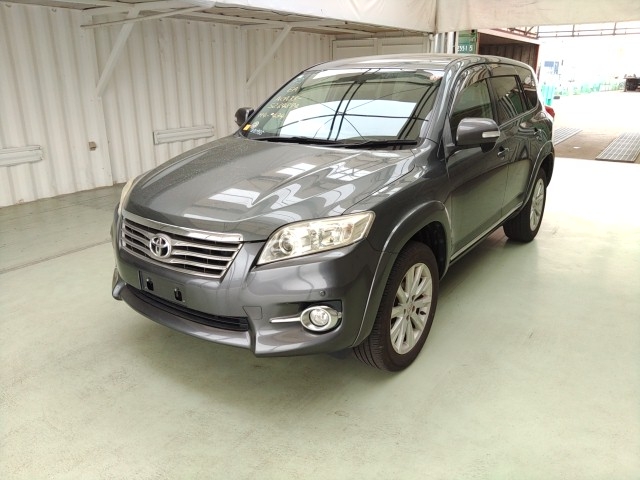
Exploring the World of Japanese Used Vehicles
Japan is renowned for its high-quality vehicles that are known for their reliability, durability, and advanced technology. Many car enthusiasts around the world turn to Japanese used vehicles as a cost-effective and reliable option. Let’s delve into the world of Japanese used vehicles and discover what makes them so popular.
Why Choose Japanese Used Vehicles?
Japanese automakers such as Toyota, Honda, Nissan, and Subaru have built a strong reputation for producing vehicles that are not only fuel-efficient but also long-lasting. This reputation extends to their used vehicles, making them highly sought after in the global market.
One of the key reasons why Japanese used vehicles are popular is their excellent condition. In Japan, strict regulations and regular inspections ensure that vehicles are well-maintained and in good working order. This means that even older models can still offer great performance and reliability.
The Benefits of Buying Japanese Used Vehicles
When you buy a Japanese used vehicle, you can expect to get a high-quality car at a fraction of the price of a new one. This makes them an attractive option for budget-conscious buyers who still want a reliable vehicle.
In addition to their quality and affordability, Japanese used vehicles often come equipped with advanced technology and features. From fuel-efficient engines to innovative safety systems, these cars offer great value for money.
Where to Find Japanese Used Vehicles
There are various ways to purchase Japanese used vehicles, including online marketplaces, auctions, dealerships, and exporters. It’s essential to do thorough research and consider factors such as vehicle history, condition, mileage, and pricing before making a purchase.
By exploring the world of Japanese used vehicles, you can find a reliable and affordable car that meets your needs while experiencing the renowned craftsmanship and innovation that Japan is known for.
Top 7 Advantages of Choosing Japanese Used Vehicles
- High quality and reliability
- Excellent condition due to strict regulations and inspections in Japan
- Cost-effective compared to buying new vehicles
- Fuel-efficient engines for better mileage
- Advanced technology and features at affordable prices
- Resale value holds up well over time
- Wide range of options from reputable Japanese automakers
Challenges of Purchasing Japanese Used Vehicles: Warranty, Costs, and More
- Limited warranty coverage compared to new vehicles
- Higher maintenance costs for older models
- Potential language barrier when dealing with Japanese sellers or exporters
- Importing fees and taxes can increase the overall cost of purchasing a Japanese used vehicle
- Availability of spare parts may be limited for certain models outside Japan
- Difficulty in verifying the vehicle’s history and previous ownership
High quality and reliability
Japanese used vehicles are highly regarded for their exceptional quality and reliability. Thanks to stringent regulations and meticulous maintenance standards in Japan, these cars are known to be well-maintained and in excellent condition even after years of use. This commitment to quality ensures that buyers can trust in the durability and longevity of Japanese used vehicles, making them a popular choice for those seeking a dependable and long-lasting car.
Excellent condition due to strict regulations and inspections in Japan
Japanese used vehicles are highly regarded for their excellent condition, thanks to the stringent regulations and regular inspections enforced in Japan. These strict measures ensure that vehicles are well-maintained and meet high standards of quality and safety. As a result, buyers of Japanese used vehicles can have confidence in the reliability and durability of their purchase, knowing that they are getting a well-maintained car that has been carefully inspected to ensure its roadworthiness.
Cost-effective compared to buying new vehicles
One significant advantage of Japanese used vehicles is their cost-effectiveness compared to buying new vehicles. By opting for a used Japanese vehicle, buyers can enjoy substantial savings while still acquiring a high-quality and reliable car. This cost-effective option allows individuals to access well-maintained vehicles from top Japanese automakers at a fraction of the price of a new model, making it an attractive choice for budget-conscious consumers looking for value without compromising on quality.
Fuel-efficient engines for better mileage
Japanese used vehicles are highly regarded for their fuel-efficient engines, which contribute to better mileage and cost savings for drivers. With a focus on innovation and sustainability, Japanese automakers have developed engines that maximise fuel efficiency without compromising on performance. This pro of Japanese used vehicles not only benefits the environment by reducing emissions but also provides drivers with a practical and economical choice for their transportation needs.
Advanced technology and features at affordable prices
Japanese used vehicles offer a compelling advantage with their advanced technology and features available at affordable prices. Thanks to the innovative engineering and cutting-edge technology that Japanese automakers are known for, buyers can enjoy a range of high-tech features in used vehicles without breaking the bank. From fuel-efficient engines to state-of-the-art safety systems, these vehicles provide exceptional value for money, making them an enticing option for those looking to upgrade their driving experience without overspending.
Resale value holds up well over time
One significant advantage of Japanese used vehicles is their impressive resale value that holds up well over time. Due to their reputation for reliability, durability, and high-quality engineering, Japanese cars retain their value better than many other brands. This means that owners can expect to recoup a good portion of their initial investment when selling a Japanese used vehicle, making them a wise choice for those looking for long-term value and financial stability in the automotive market.
Wide range of options from reputable Japanese automakers
One significant advantage of opting for Japanese used vehicles is the wide range of options available from reputable Japanese automakers. Brands like Toyota, Honda, Nissan, and Subaru offer a diverse selection of models that cater to different preferences and needs. Whether you’re looking for a fuel-efficient compact car, a spacious family SUV, or a sporty performance vehicle, you can find a reliable and well-crafted option from these renowned automakers in the Japanese used vehicle market. This variety allows buyers to choose a vehicle that suits their lifestyle while benefiting from the quality and innovation that these brands are known for.
Limited warranty coverage compared to new vehicles
One notable drawback of Japanese used vehicles is the limited warranty coverage they offer compared to new vehicles. While new cars typically come with comprehensive warranties that provide peace of mind to buyers, used vehicles, especially those imported from Japan, may have limited or no warranty coverage. This can leave buyers vulnerable to unexpected repair costs in case of mechanical issues or breakdowns. It is important for potential buyers to carefully consider this factor and factor in potential maintenance costs when purchasing a Japanese used vehicle.
Higher maintenance costs for older models
One significant drawback of Japanese used vehicles, particularly older models, is the potential for higher maintenance costs. As vehicles age, wear and tear naturally occur, leading to the need for more frequent repairs and upkeep. While Japanese cars are known for their reliability, older models may require more extensive maintenance to keep them running smoothly. This can result in increased expenses for parts and labour, making it important for buyers to consider the long-term costs associated with owning and maintaining a Japanese used vehicle before making a purchase decision.
Potential language barrier when dealing with Japanese sellers or exporters
One potential drawback of buying Japanese used vehicles is the language barrier that buyers may face when dealing with Japanese sellers or exporters. Communication challenges can arise due to differences in language and cultural nuances, making it difficult to fully understand the terms of the transaction or negotiate effectively. This can lead to misunderstandings, delays, or even misinterpretations of important information regarding the vehicle’s condition, history, or pricing. It is crucial for buyers to consider this con and take proactive steps such as using translation services or seeking assistance from bilingual professionals to ensure a smooth and transparent buying process.
Importing fees and taxes can increase the overall cost of purchasing a Japanese used vehicle
Importing fees and taxes can significantly inflate the overall cost of purchasing a Japanese used vehicle. When importing a vehicle from Japan, buyers often have to factor in additional expenses such as customs duties, value-added tax (VAT), registration fees, and transportation costs. These fees can vary depending on the country of import, making it crucial for buyers to carefully calculate the total cost before committing to buying a Japanese used vehicle. The added financial burden of importing fees and taxes can sometimes deter potential buyers from opting for Japanese used vehicles despite their renowned quality and reliability.
Availability of spare parts may be limited for certain models outside Japan
One notable drawback of purchasing Japanese used vehicles is the potential limitation in the availability of spare parts for certain models outside Japan. While Japanese cars are known for their reliability, durability, and advanced technology, sourcing specific parts for repairs or maintenance can be challenging in some regions. This can lead to longer waiting times and higher costs for obtaining necessary components, potentially affecting the overall ownership experience and maintenance costs of Japanese used vehicles outside of Japan.
Difficulty in verifying the vehicle’s history and previous ownership
One significant drawback of purchasing Japanese used vehicles is the challenge in verifying the vehicle’s history and previous ownership. Due to language barriers, differing record-keeping practices, and limited access to historical data, buyers may encounter difficulties in obtaining comprehensive information about a vehicle’s past. This lack of transparency can lead to uncertainties regarding the vehicle’s maintenance history, accident records, and ownership lineage, potentially impacting the buyer’s confidence in making an informed purchase decision.